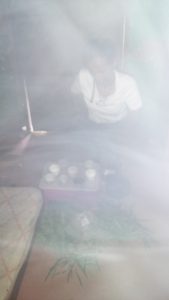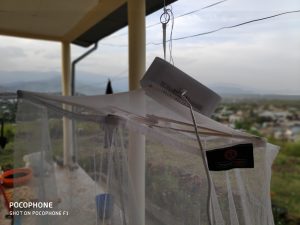
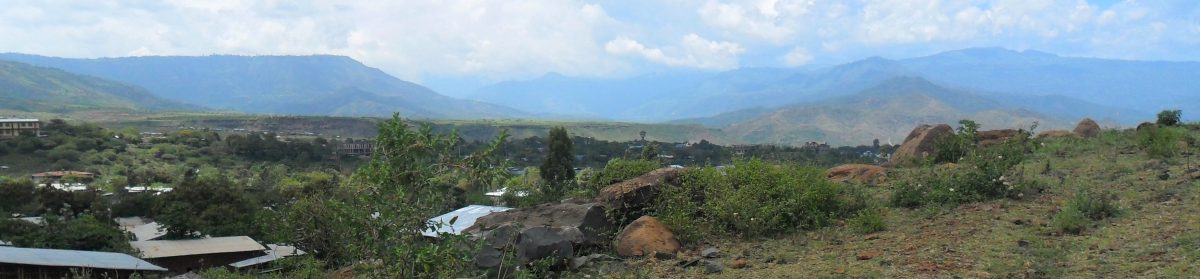
From October 2019 – January 2020 I offered two air pollution courses to four sections of students. I offered the course Air, Noise and Soil pollution to year 4 Water Supply and Environmental Engineering students (three sections; 150 students). I offered the course Atmospheric Chemistry and Air Pollution to year 2 Meteorology and Hydrology students (29 students). For both courses, I used 50% for student air pollution research projects. 33 groups studied a self-selected topic with respect to PM2.5, CO and/or CO2 concentrations on or around campus. They collected a combined 17,431 data points across various scenarios.
Course outline
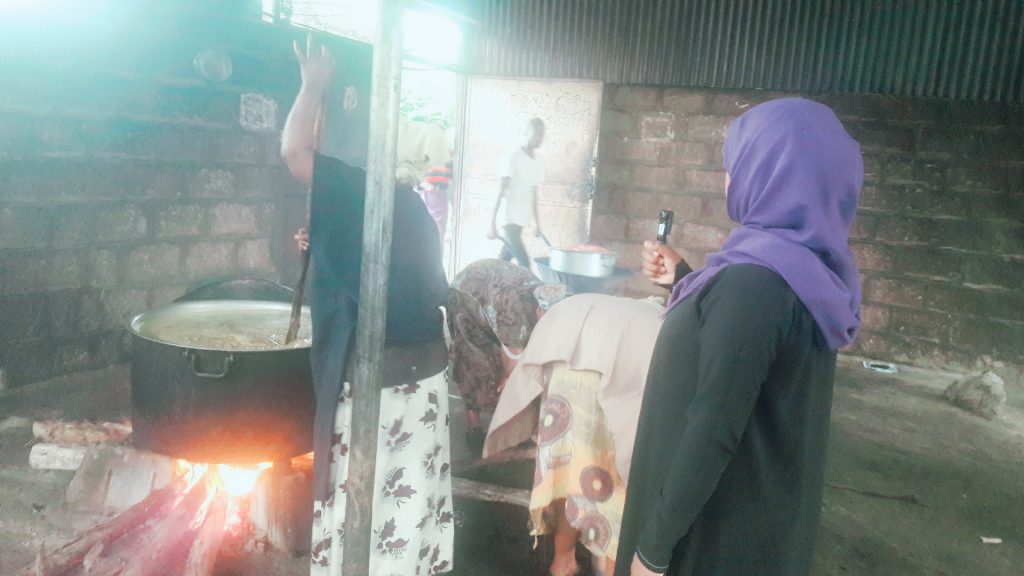
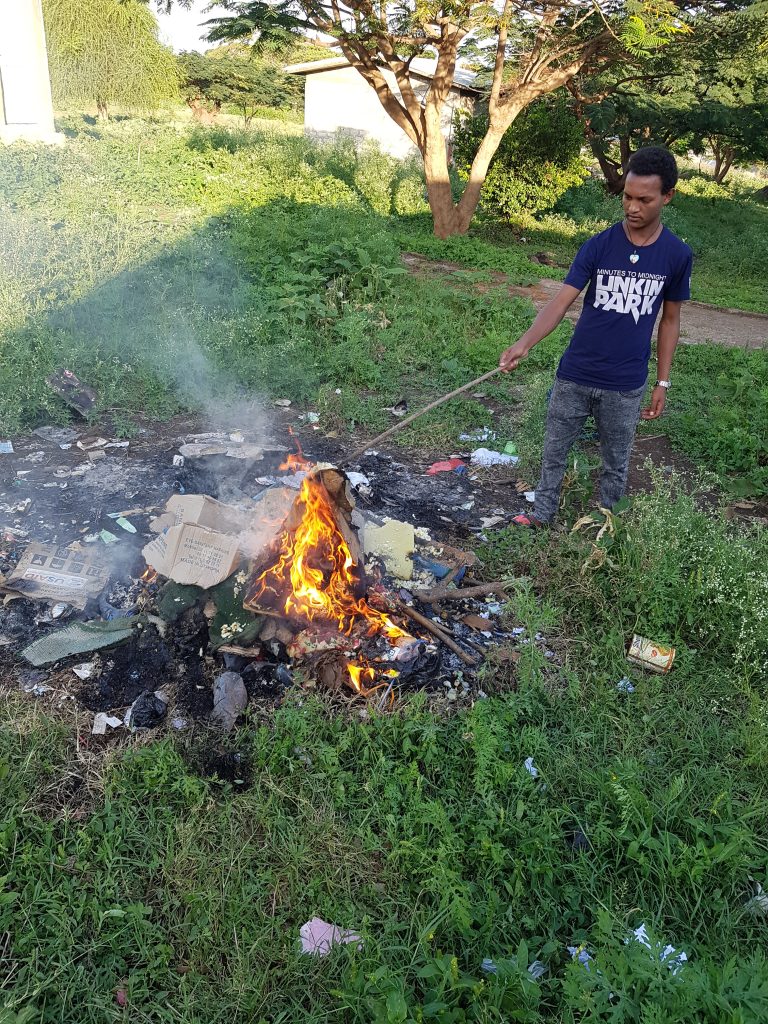
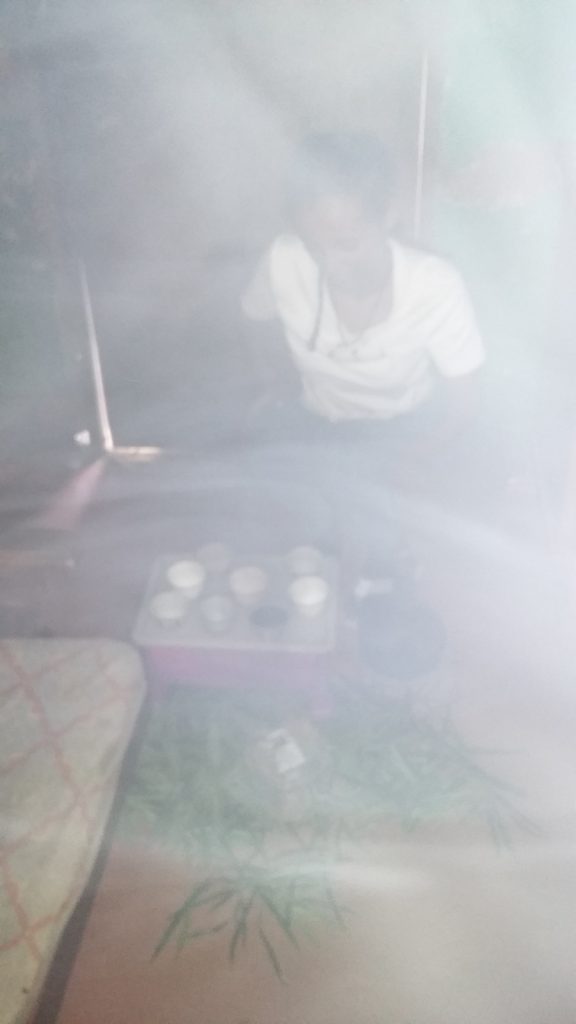
I spread out the courses over approximately 12 weeks. I used fifty percent of the course time for ‘normal’ course contents: lectures on seven chapters, tests, and a written exam. Those activities were spread out over the whole semester. Simultaneously, the students used the other fifty percent for various parts of research projects. The first four weeks, students (with knowledge from the first lectures) selected topics and worked on a measurement plan. The students chose topics like ‘CO2 concentration in and outside a dormitory’, ‘CO concentration in a kitchen during cooking’, ‘PM concentration close to a generator’, etcetera.
Part of the measurement plan was to select measurement instruments and measurement times. In total I had 6 Lascar El-USB-CO, 6 UCB-PATS+, and 6 IQ Air Airvisual Pro instruments available. Students could select the instruments and use them across a period of four weeks. Between weeks 8-11, students analyzed their data and wrote a report. In the final week, all groups gave a small presentation on their research project.
Research and experience
This project was new for the students. Most courses are theory-based and lecture oriented. While uncertain at the start, students clearly liked the challenge and the opportunity to study air pollution themselves rather than only learn about it from lectures. On beforehand, colleagues warned me about giving instruments to students. However, the students rewarded me with their motivation for the trust I put in them. They returned all instruments in good working order. I am glad the instruments were put to good use, rather than only being on display. The students’ work gave me access to air pollution measurements across various scenarios – with some very high concentrations. I am planning to analyze the data of the students combined, and most likely will apply this teaching method in my future courses as well.
[UPDATE]: data collected by the students during these courses have been the basis for two publications:
- An Evaluation of Best Practices in an Air Quality Student Science Project in Ethiopia;
- Using student science to identify research priority areas for air pollution in a university environment: an Ethiopian case study.
For the second publication, three students from the courses were co-authors.